
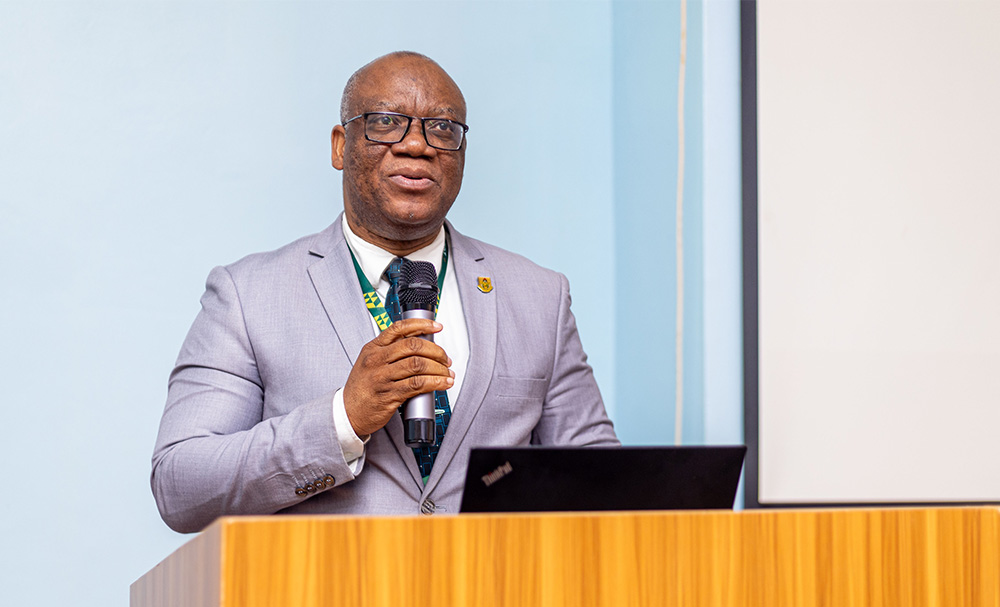
The Office of Grants and Research (OGR) at the Kwame Nkrumah University of Science and Technology, Kumasi (KNUST) in collaboration with the IREX Catch Them Young Project, has organised a two-day Grants Financial Management Training Workshop to strengthen research accountability and sustainability at the University.
The training brought together finance officers, principal investigators (PIs), auditors and administrators to build capacity in securing and managing external research funds in line with international best practices.
Director of OGR, Professor Jerry John Kponyo, said the workshop was aimed at equipping key stakeholders with the tools required to ensure prudent financial administration of grants and long-term research growth.
“Money gives birth to money. But if money will give birth to money, it primarily depends on how the first one was managed,” he said.
Prof. Kponyo stressed that effective grant management must be a shared responsibility across the institution, noting that poor financial stewardship could undermine research credibility and future funding opportunities.
Linking the initiative to the University’s strategic vision, he urged participants to prioritise research that delivers measurable impact.
“A critical component of what will propel us from excellence to eminence is ensuring that we are driving impactful research,” he stated.
He added that research funding should not end after a single grant cycle but should generate further opportunities.
“We want to build capacity so that KNUST becomes that ground where, when even one Ghana Cedi falls by way of grants, it grows to become millions,” he said.
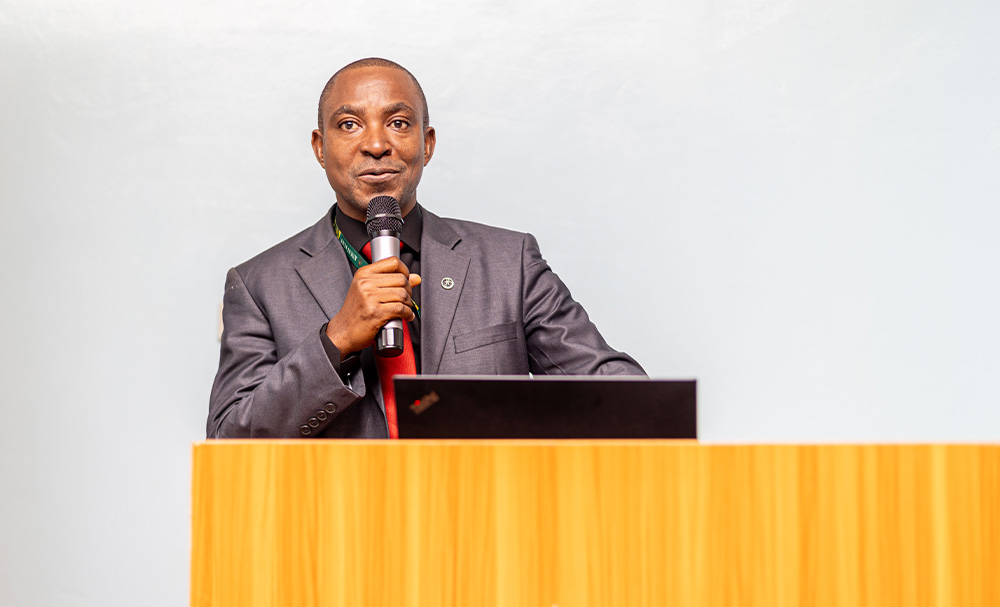
The Accountant at OGR, Mr. Amos Ato Eghan, speaking on “Budget Requirements for Sponsored Projects,” underscored the central role of budgeting in ensuring institutional credibility and effective grant management.
“An approved budget defines how funds may be used and sets clear boundaries between what is allowed and what is not allowed,” he stated.
According to Mr. Eghan, budgeting provides a clear roadmap for achieving project objectives by defining eligible costs, spending limits and the flexibility for reallocating funds where necessary. He emphasised that every cost charged to a project must be allowable, allocable, reasonable, consistent and properly documented, in strict adherence to donor regulations and institutional policies.
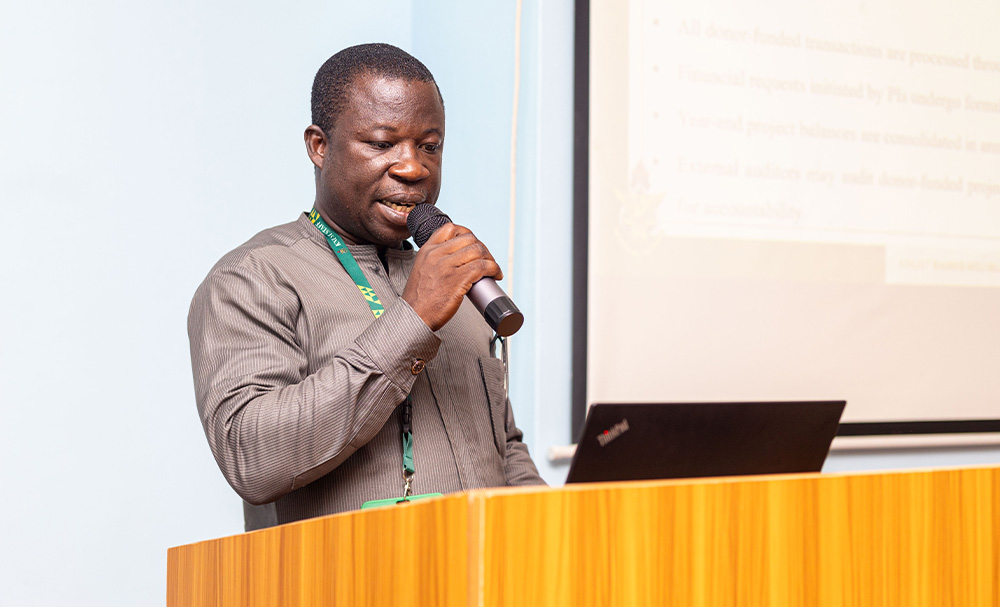
Also addressing the workshop, Deputy Finance Officer at KNUST, Dr. Acheampong Owusu, described grants financial management at the University as a structured framework designed to ensure accountability, compliance, efficiency and transparency in managing both externally and internally funded research projects.
He outlined the project lifecycle, explaining that grant management begins with scouting funding opportunities, followed by proposal development, institutional review, award, financial setup, implementation, monitoring, reporting and closure.
To ensure standardisation, Dr. Owusu noted that all donor-funded transactions are processed through the University’s accounting system, PANACEA.
“We take the project through the process as a normal university transaction, and we do that because of standardisation,” he stated.
He further stressed that no single individual can initiate and complete a financial process, citing strict segregation of duties and dual signatory requirements on University accounts as key safeguards to protect institutional credibility and donor confidence.


